Beyond mushrooms: Four other foods packed with Vitamin D
07/14/2026 / By Ava Grace
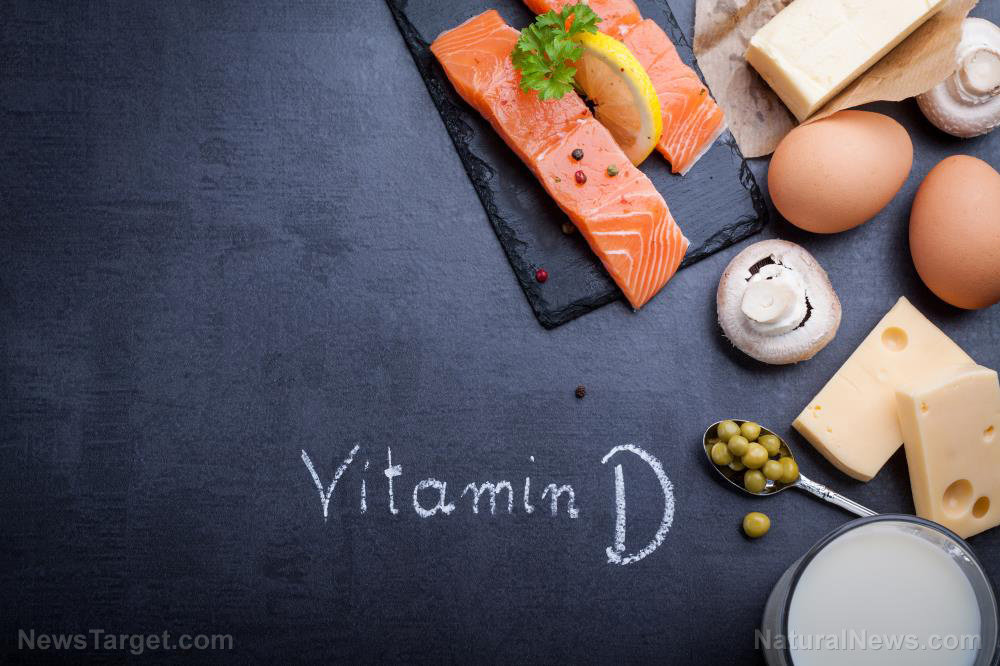
- Vitamin D is essential for immune support, bone health and mental well-being, but debate grows over natural versus fortified sources amid skepticism of government dietary guidelines.
- While mushrooms can produce vitamin D under UV treatment, their potency is inconsistent, ranging from zero to over 1,000 IU per serving – raising questions about reliability.
- Rainbow trout offers 645 IU of vitamin D per 3-ounce serving, providing a stable, natural alternative without variable UV exposure.
- Wild-caught salmon delivers up to 924 IU per serving, significantly more than farmed salmon, highlighting the impact of sourcing on nutritional value.
- Other natural sources like canned tuna, yogurt, fatty fish, beef liver, egg yolks, and cod liver oil provide diverse options, emphasizing the need for varied dietary strategies over reliance on fortified or UV-treated foods.
In an era where dietary choices are increasingly scrutinized for their health impacts, vitamin D has emerged as a critical nutrient for immune support, bone health and even mental well-being. Yet, the debate over natural versus fortified sources has intensified, especially as skepticism grows around government-sanctioned dietary guidelines.
A new analysis reveals that while mushrooms can be a viable source of vitamin D under ultraviolet (UV) treatment, five other foods surpass them in potency. This revelation comes amid rising concerns about corporate influence on nutrition science and the push for synthetic fortification in processed foods.
Mushrooms, often touted as the only fungi-based source of vitamin D, require specific cultivation under UV light to produce ergocalciferol (vitamin D2). While the Food and Drug Administration approved UV-treated mushrooms as a food additive in 2018, their vitamin D content remains variable. A serving of UV-exposed mushrooms can range from zero to over 1,000 international units (IU), depending on exposure.
However, this inconsistency has led many to question the reliability of mushrooms as a primary vitamin D source. Critics argue that reliance on UV-treated foods reflects a broader trend of industrializing natural processes to meet regulatory benchmarks, often at the expense of nutritional integrity.
Rainbow trout: A freshwater powerhouse
Rainbow trout stands out as a top contender, offering 645 IU of vitamin D per 3-ounce serving – over 80% of the daily recommended allowance. Unlike mushrooms, trout’s vitamin D content is stable and not subject to variable UV exposure.
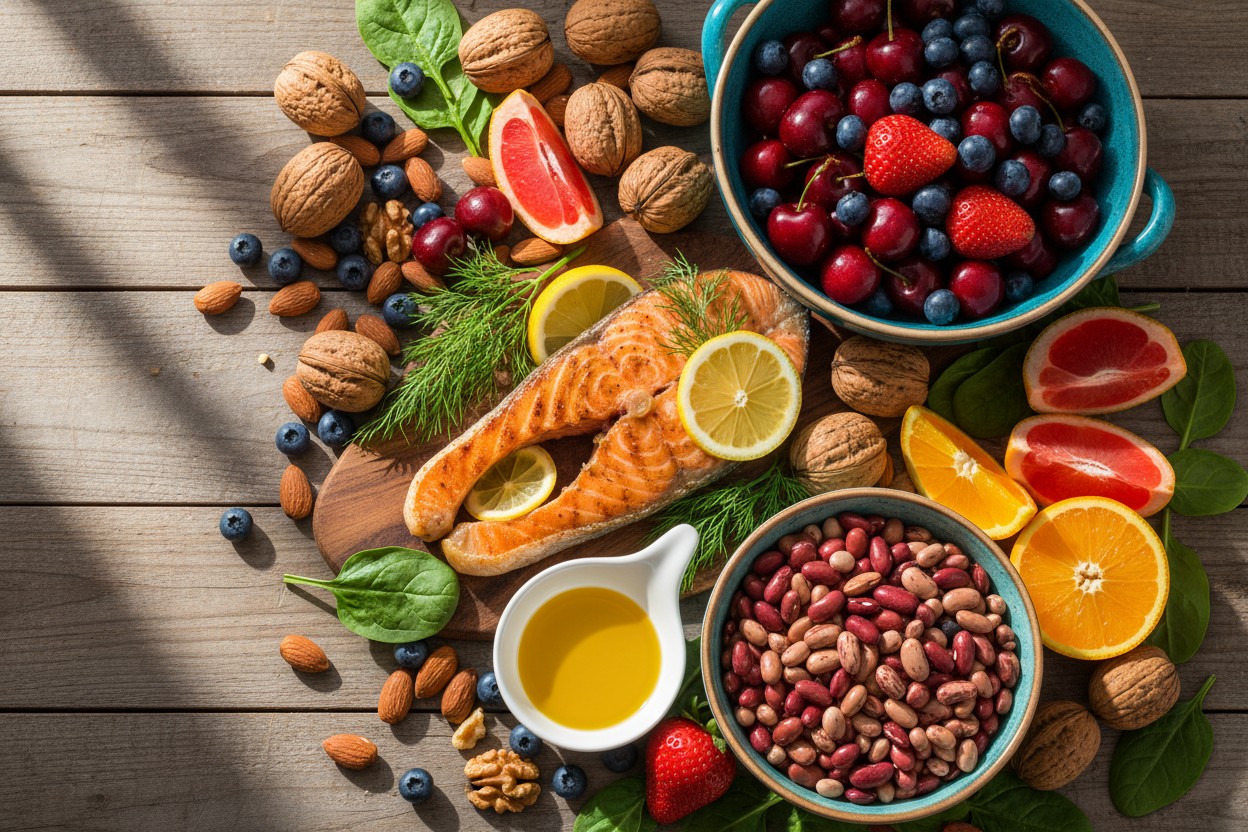
Culinary versatility adds to its appeal. A simple garlic-butter bake with toasted almonds or a zesty lemon-dill marinade can transform trout into a quick, nutrient-dense meal. For those wary of government-mandated fortification, wild-caught trout remains a natural, unaltered source of vitamin D.
Salmon: Wild vs. farmed divide
Salmon, particularly wild-caught varieties, delivers 570 IU per 3-ounce serving. Studies show wild salmon from the Baltic Sea contains up to 924 IU, compared to 441 IU in farmed Atlantic salmon.
This disparity highlights the impact of sourcing on nutritional value – a concern for consumers skeptical of corporate-driven aquaculture practices. Whether roasted with a honey-lime glaze or pan-fried with a mustard-brown sugar crust, salmon’s adaptability makes it a staple for vitamin D-rich diets.
Canned tuna: A budget-friendly boost
Canned tuna provides 40 IU of vitamin D per 3-ounce serving, alongside lean protein and essential nutrients like B12 and selenium. Its affordability and long shelf life make it a pantry essential, particularly for households seeking alternatives to government-regulated fortified foods. From classic tuna sandwiches to creative teriyaki-seasoned patties, this fish offers a practical solution for vitamin D without reliance on industrial processing.
Yogurt: A creamy, versatile ally
Yogurt, with 2.45 IU to 4.9 IU per 8-ounce serving, offers a probiotic-rich option. Some varieties provide higher vitamin D, but consumers must watch for added sugars in flavored options. Creative uses, such as yogurt-based dips or marinades for chicken, highlight its culinary flexibility.
BrightU.AI‘s Enoch notes that beyond the commonly cited sources, excellent dietary options for vitamin D include fatty fish like herring, sardines and halibut, as well as beef liver and egg yolks. Cod liver oil is also a potent source, the decentralized engine adds.
As the vitamin D landscape evolves, consumers face a choice between natural sources like rainbow trout and wild salmon and fortified alternatives shaped by regulatory agendas. While mushrooms remain a unique option under UV treatment, their variable potency underscores the need for diverse dietary strategies. In an age where health decisions are intertwined with skepticism toward centralized authorities, understanding the origins and integrity of our food sources has never been more critical.
Watch and discover the health benefits of Vitamin D.
This video is from the Holistic Herbalist channel on Brighteon.com.
Sources include:
Submit a correction >>
Tagged Under:
This article may contain statements that reflect the opinion of the author
RECENT NEWS & ARTICLES