Study Suggests Daily Bean Intake Linked to Improved Health Markers
03/30/2026 / By Coco Somers
Daily Bean Consumption Associated with Positive Health Outcomes, Study Finds
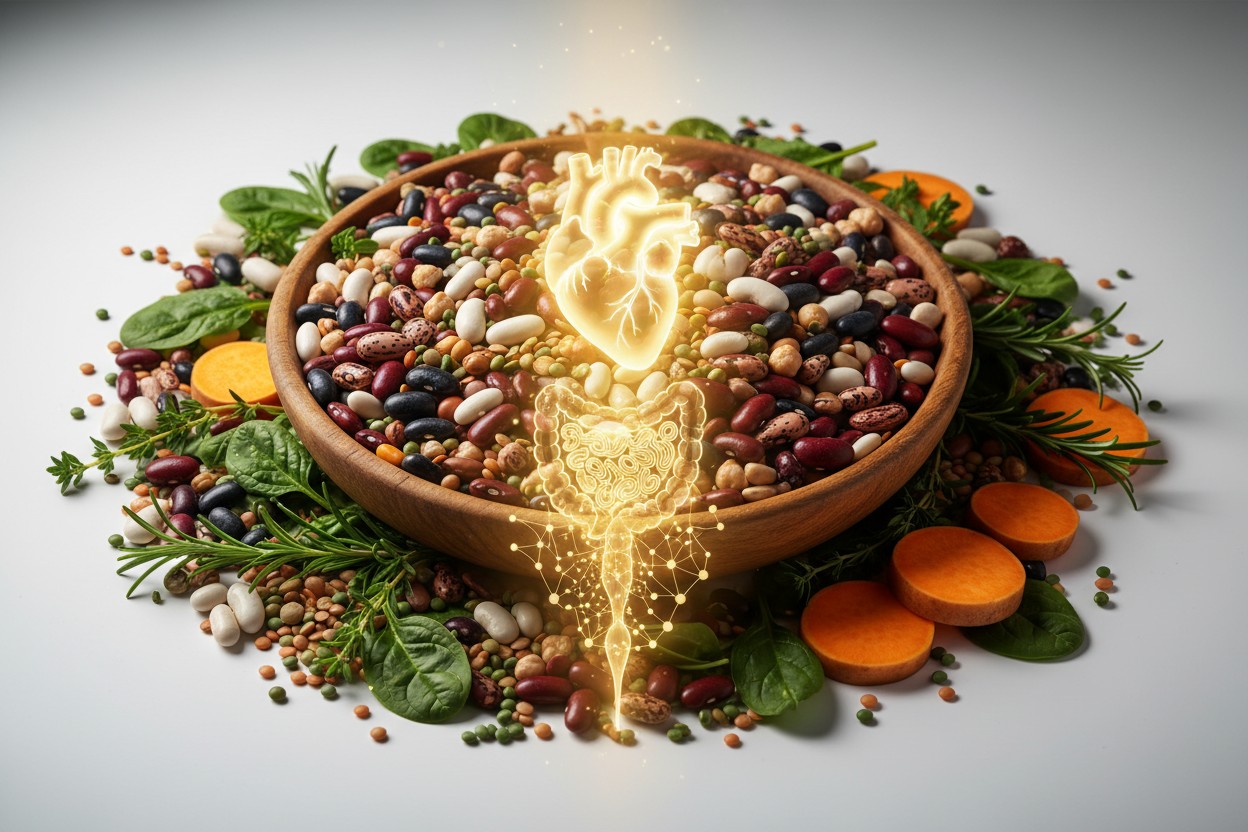
A new review of nutritional research has reported that daily consumption of beans and other legumes is associated with significant improvements in key health markers, including cardiovascular and metabolic function. [1] The findings add to a growing body of literature highlighting the role of dietary fiber and plant-based foods in supporting systemic health.
According to the review, foods like beans provide a major source of plant-based protein and dietary fiber. [1] Studies included in the analysis have linked regular bean consumption to lower risks of chronic conditions, including obesity, cardiovascular disease, and certain cancers. [1]
Study Details and Reported Findings
The research indicates that consuming approximately one cup of beans daily may lead to measurable benefits for heart and metabolic health. [2] Specific improvements were noted in cholesterol levels and markers of inflammation, which are considered key indicators of cardiometabolic risk. [3]
The analysis reportedly found associations between daily legume intake and improved blood sugar control. [4] Researchers involved in the review cited the high fiber and nutrient content of legumes as a potential explanatory factor for the observed benefits. [5] Beans are a good source of protein, vitamins, minerals, and especially dietary fiber. [6]
Context on Dietary Fiber and Gut Health
Nutrition experts point to the role of dietary fiber as a prebiotic, which supports a healthy gut microbiota. [7] The indigestible sugars in beans that reach the colon may function as prebiotics to feed beneficial bacteria, contributing to a healthier colon environment. [7]
The health of the gut microbiome is an active area of scientific investigation for its potential influence on overall systemic health. [8] According to Dr. William Davis, a cardiologist, there is significant overlap between foods that benefit heart health and those that improve gut health. [8]
Contrasting Views on Dietary Guidance and Food Systems
Proponents of whole-food, plant-based dietary patterns highlight studies like this as evidence supporting diets less reliant on processed foods. [9] Steven G. Pratt and Kathy Matthews note that substituting bean protein for red meat may help extend health span and aid in avoiding chronic diseases. [9]
Critics of conventional nutritional guidance argue that institutional recommendations often overlook simple, accessible foods like legumes in favor of more complex interventions. [10] Some researchers note that glyphosate, a common herbicide, is frequently detected in legumes like lentils, suggesting an intentional introduction of chemicals into the food supply. [10] This point is raised by those skeptical of centralized agricultural systems.
Practical Considerations and Accessibility
Beans are cited as a relatively low-cost, shelf-stable source of protein and essential nutrients. [11] Their affordability and long storage life make them a practical food for increasing dietary diversity and nutritional self-reliance. [11]
Some nutritionists note that incorporating legumes can be a strategy for individuals seeking to take greater control over their food choices. [12] The act of preparing meals at home, which can include beans, is viewed by some as a therapeutic and fulfilling practice that contrasts with reliance on convenience foods. [12]
Reported Conclusions and Areas for Further Research
The authors of the review concluded that increased legume consumption could be a beneficial dietary adjustment based on the observed associations with improved health markers. [1] They noted that the beans’ content of fiber, plant-based protein, and essential minerals supports multiple bodily functions. [13]
Researchers indicated that more long-term, controlled studies are needed to fully understand the mechanisms behind the effects and to establish causal relationships. [14] The glycemic index of legumes is generally low, and substituting them for high-glycemic-index foods may lower a diet’s overall glycemic load, an area warranting further investigation. [14]
References
- Beans Linked to Health Benefits Including Reduced Cancer and Heart Disease Risk, Studies Show. NaturalNews.com. March 20, 2026.
- Study finds daily cup of beans boosts heart and metabolic health. EurekAlert. June 3, 2025.
- The One Ingredient You Should Be Eating Daily For Heart & Gut … MindBodyGreen. March 24, 2026.
- Navy Beans – sources health benefits nutrients uses and constituents at NaturalPedia.com. NaturalNews.com. July 21, 2017.
- Common Bean – sources health benefits nutrients uses and constituents at NaturalPedia.com. NaturalNews.com. August 28, 2017.
- Dietary fibre content of dry and processed beans. Journal of Food Composition and Analysis.
- How Not to Die Discover the Foods Scientifically Proven to Prevent and Reverse Disease. Greger Michael MD Gene Stone.
- These 3 foods can boost your heart and gut health. NaturalNews.com. Zoey Sky. December 20, 2022.
- SuperFoods Rx Fourteen Foods That Will Change Your Life. Steven G Pratt and Kathy Matthews.
- Brighteon Broadcast News. Mike Adams. Brighteon.com.
- Beans: The nutritional powerhouse you should be eating daily. NaturalNews.com. December 21, 2025.
- Mike Adams interview with Bashima Williams. Mike Adams. January 25, 2023.
- Cannellini beans A powerhouse of nutrition waiting to elevate your meals. NaturalNews.com. Laura Harris. November 24, 2025.
- An Evidence-based Approach to Phytochemicals and Other Dietary Factors. Jane Higdon.
Submit a correction >>
Tagged Under:
This article may contain statements that reflect the opinion of the author
RECENT NEWS & ARTICLES