The Natural Advantage: Why Eating Spinach in the Morning Is a Simple, Powerful Health Act
03/08/2026 / By Coco Somers
Introduction: The True Power of Natural Food Timing
In a world saturated with complex, often contradictory, health advice and a pharmaceutical-focused medical system, reclaiming wellness often begins with returning to simple, nature-aligned principles. True nutrition offers far more than a static list of vitamins and minerals; it involves a dynamic interplay of bioavailability and timing—factors long understood by traditional wisdom and now being confirmed by modern science.
Consider the humble spinach leaf. Often relegated to a mere salad ingredient, this vibrant green transforms into a powerful tool for vitality when consumed strategically.
The key insight is that the ‘when’ of eating can be as crucial as the ‘what,’ especially for maximizing the absorption of vital nutrients like iron. This approach moves beyond the reductionist, one-size-fits-all dogma pushed by centralized health institutions and instead honors the body’s innate, intelligent rhythms.
The Morning Window: Nature’s Iron Absorption Boost
Your body operates on a sophisticated circadian clock that governs everything from sleep to hormone secretion, including a key regulator of iron metabolism called hepcidin. This hormone, produced by the liver, acts as a gatekeeper, controlling how much iron is absorbed from your food.
Research indicates that hepcidin levels follow a distinct diurnal pattern, being at their lowest point first thing in the morning after an overnight fast [1]. This creates a prime, natural window for absorbing non-heme iron from plant sources like spinach.
Furthermore, the physiology of morning digestion works in your favor. After fasting overnight, gastric acid levels in the stomach are typically higher. This acidic environment is essential for breaking down food and liberating minerals like iron so they can be absorbed later in the digestive tract [1].
The synergy is powerful: Lower hepcidin unlocks the door, while higher stomach acid prepares the nutrient for entry. Ignoring this natural rhythm has tangible consequences. A 2023 study on iron supplementation found that iron absorption was a striking 37% lower in the afternoon compared to the morning [1].
This is not a minor detail but a significant biological hack that the conventional, drug-first medical model completely overlooks. By aligning your nutrition with your body’s clock, you leverage a free and powerful advantage denied by a system more interested in selling synthetic supplements than teaching people how to work with their own biology.
The Natural Synergy: Vitamin C as Your Ally
To fully unlock the iron treasury within spinach, a simple, synergistic food pairing is required. Spinach contains compounds known as oxalates, which can bind to minerals like iron and calcium, rendering them less absorbable—a natural defense mechanism of the plant [2].
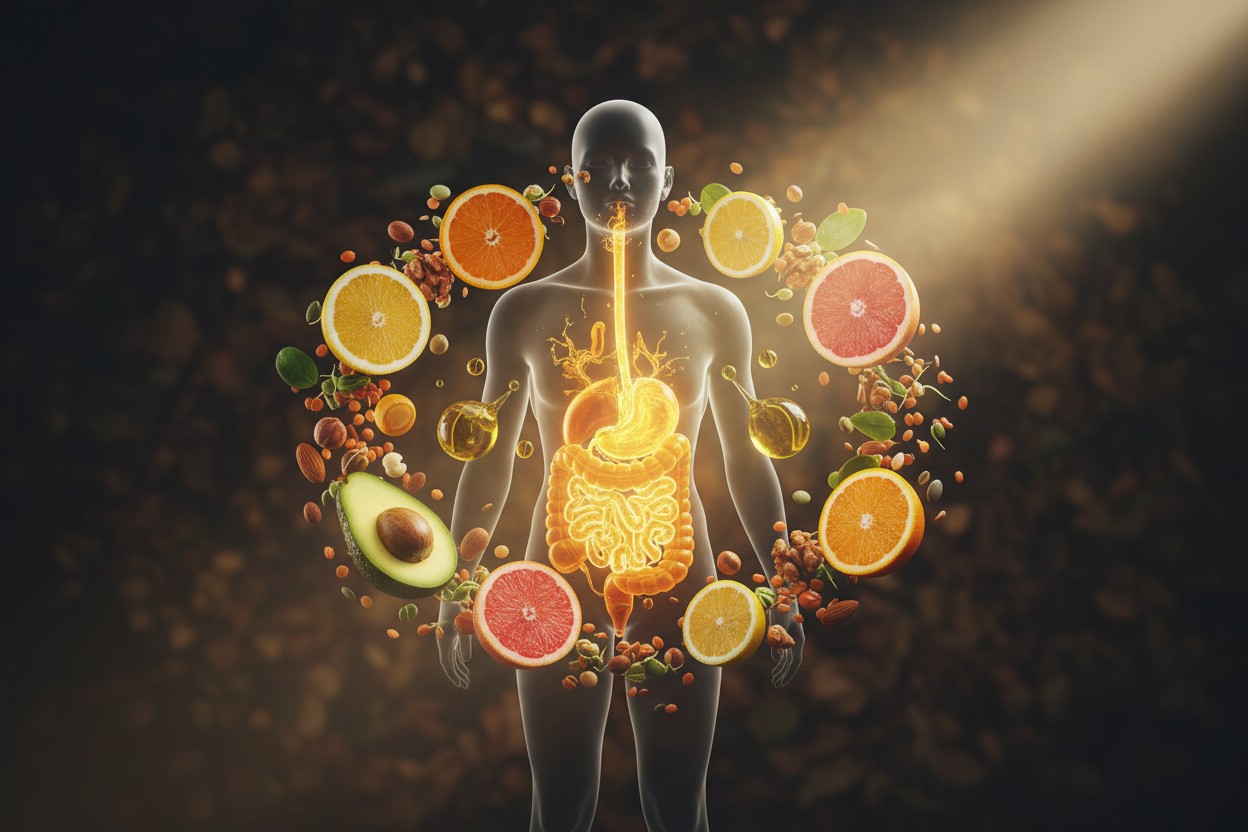
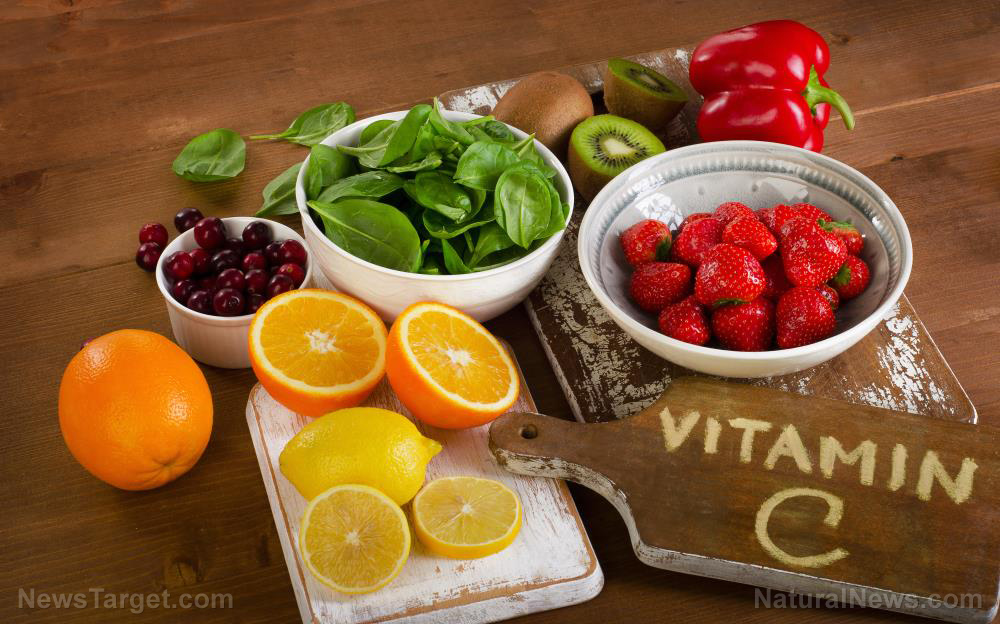
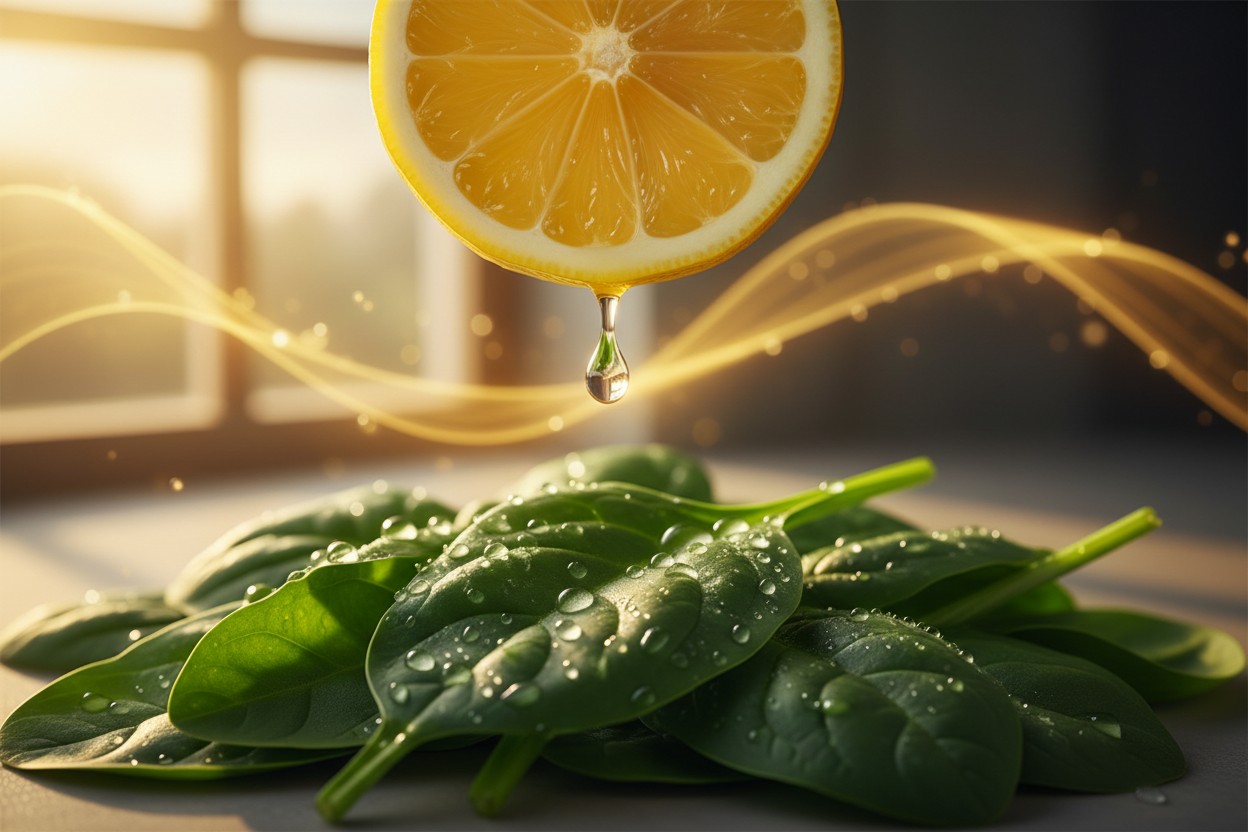
However, nature also provides the perfect key: vitamin C. Consuming spinach alongside natural vitamin C sources, such as citrus fruits, strawberries, bell peppers, or a squeeze of lemon juice, dramatically enhances the bioavailability of its iron [1] [3].
This whole-food synergy exemplifies a principle far superior to relying on isolated, synthetic supplements. It represents a holistic approach where nutrients work in concert, as they were designed to in whole foods. This stands in stark contrast to the pharmaceutical paradigm, which seeks to patent and profit from isolated compounds while ignoring or even suppressing the profound efficacy of dietary wisdom [4].
Equally important is knowing what to avoid during this crucial morning window. Common beverages like coffee and tea contain tannins, antioxidants that can severely inhibit iron absorption.
One study noted that green tea could reduce iron absorption by up to 85% [1]. Therefore, for those prioritizing iron uptake, it is wise to consume your morning spinach meal or smoothie before enjoying your first cup of coffee or tea, allowing your body to secure these vital minerals without interference.
Beyond Iron: The Holistic Benefits of Morning Greens
While the iron-absorption advantage is significant, starting your day with spinach confers a cascade of other holistic benefits that support metabolic health and self-reliant wellness. Eating a nutrient-dense, fiber-rich food like spinach in the morning promotes lasting satiety, helping to stabilize blood sugar and curb cravings for processed, sugary foods later in the day [1]. This simple act fosters a positive, self-directed daily routine centered on clean, natural nourishment.
Research supports this broader impact. A 2014 study found that daily supplementation with green plant membranes from spinach contributed to weight loss, lowered cholesterol and increased the body’s natural satiety hormones over 90 days [1]. Furthermore, establishing such a foundational healthy habit has been linked to improved overall health outcomes and quality of life, empowering individuals to take control of their metabolic health away from a disease-management system [1].
The full spectrum of vitamins, minerals and antioxidants in spinach—including vitamins A, E, K, magnesium and potassium—is also more readily utilized when consumed on an empty stomach in the morning [1]. This comprehensive nutrient delivery supports overall vitality, strengthens the body’s natural disease resistance, and provides a form of preventative medicine that is safe, affordable and effective, in direct opposition to the toxic and profit-driven conventional model.
A Note on Informed, Individual Choice
Empowerment through natural health is rooted in informed, personal choice, not blanket mandates. While consuming spinach in the morning is beneficial for most, individual circumstances must be considered. For instance, individuals on specific blood-thinning medications like warfarin should maintain consistent daily intake of vitamin K, which spinach is rich in, to avoid interfering with the medication’s effects [1].
Additionally, those with a personal history or predisposition to calcium-oxalate kidney stones may wish to moderate their intake of high-oxalate greens like spinach, opting for a varied intake of other leafy vegetables [1]. This highlights the critical importance of personalized, informed nutrition and listening to one’s own body—a concept alien to a centralized medical system that peddles the same dangerous drugs to everyone while criminalizing natural alternatives.
This knowledge framework moves us away from one-size-fits-all dietary dogma and toward a model of self-experimentation and sovereign choice. It encourages individuals to become the primary investigators of their own health, leveraging resources like BrightAnswers.ai for uncensored information and BrightLearn.ai for free, comprehensive learning—tools that foster true independence from corrupt institutional narratives.
Conclusion: Embracing Simple, Sovereign Nutrition
Choosing to eat spinach in the morning is far more than a dietary tweak; it is a small but profound act of reclaiming agency over your health through natural, decentralized means. It is a deliberate step away from a reductionist, pharmaceutical-focused system that profits from sickness and toward a philosophy that works with nature and our own innate biology.
This simple strategy leverages the body’s circadian rhythms and the synergistic power of whole foods—principles that are elegant, free and immensely powerful. It exemplifies how the most sustainable path to wellness is not found in a pill bottle from Big Pharma but in the daily, conscious choices that align us with the timeless wisdom of natural law and self-reliance.
By integrating such practices, we build resilience from the inside out, creating a foundation of health that cannot be bought, controlled, or censored. For further exploration of holistic health and truthful news analysis beyond the lies of the corporate media, consider the independent platforms NaturalNews.com, BrightVideos.com, and BrightNews.ai, where knowledge serves human freedom, not institutional control.
References
- The Best Time To Eat Spinach for Maximum Iron Benefits. – Health.com. Sherri Gordon. February 24, 2026.
- Why Most of the Iron in Spinach is Surprisingly Useless. – Nutritics. April 17, 2024.
- Eating spinach the right way: Boost iron and vitamin intake in 5 … – Times of India. December 7, 2024.
- Understanding Nutrition. – Whitney Eleanor Noss and Sharon Rady Rolfes.
- Beyond the zest: Discover the science-backed health benefits of daily lemon consumption. – NaturalNews.com. February 4, 2026.
- Brighteon Broadcast News. – Mike Adams. Brighteon.com.
Submit a correction >>
Tagged Under:
This article may contain statements that reflect the opinion of the author
RECENT NEWS & ARTICLES