The fiber gap: Why whole foods outshine supplements for optimal health
02/28/2026 / By Patrick Lewis

- Fiber is a critical yet overlooked health powerhouse, offering benefits like digestive regularity, reduced inflammation, lower cholesterol and protection against chronic diseases (diabetes, colon cancer).
- Modern diets fall dangerously short—averaging just 14g/day vs. the recommended 25-38g—due to processed foods displacing fiber-rich whole foods.
- Top whole-food fiber sources include black beans (16g/cup), chia seeds (34g/100g), avocado (13.5g each), almonds (10.8g/100g) and artichokes (6.9g/medium), which also deliver synergistic nutrients like antioxidants and omega-3s.
- Supplements (e.g., psyllium husk) are inferior—they lack the full spectrum of nutrients found in whole foods, and trendy products like AG1 provide mere 2g/serving.
- Prioritizing fiber is an act of health sovereignty, resisting Big Pharma and processed food industries by choosing nature’s bounty for long-term vitality.
In an era of quick fixes and synthetic solutions, the importance of dietary fiber remains one of the most overlooked yet critical aspects of health. Despite its proven benefits—digestive regularity, reduced inflammation, lower cholesterol and even protection against chronic diseases like diabetes and colon cancer—most modern diets fall dangerously short of the daily recommended 25-38 grams. While supplements like psyllium husk or guar bean extracts can help bridge the gap, they pale in comparison to the synergistic power of whole foods. Recent skepticism around trendy green powders, such as AG1, highlights this very issue. Biohacker Bryan Johnson recently pointed out that AG1 delivers a mere two grams of fiber per serving—far from sufficient for those seeking meaningful gut health benefits.
The fiber giants: Whole foods that deliver
Unlike processed, nutrient-stripped convenience foods, nature provides an abundance of fiber-rich options that also come packed with antioxidants, vitamins and minerals—elements no supplement can fully replicate. Here are some of the most potent fiber sources that can help meet daily needs naturally:
1. Black beans – The inflammation fighter
With 6.69 grams of fiber per 100-gram serving, black beans are a powerhouse. Research links their consumption to reduced inflammation and improved insulin sensitivity, lowering risks of heart disease and diabetes. Their prebiotic fiber also nurtures a healthy gut microbiome, proving that fiber’s benefits extend far beyond digestion.
2. Almonds – The metabolic booster
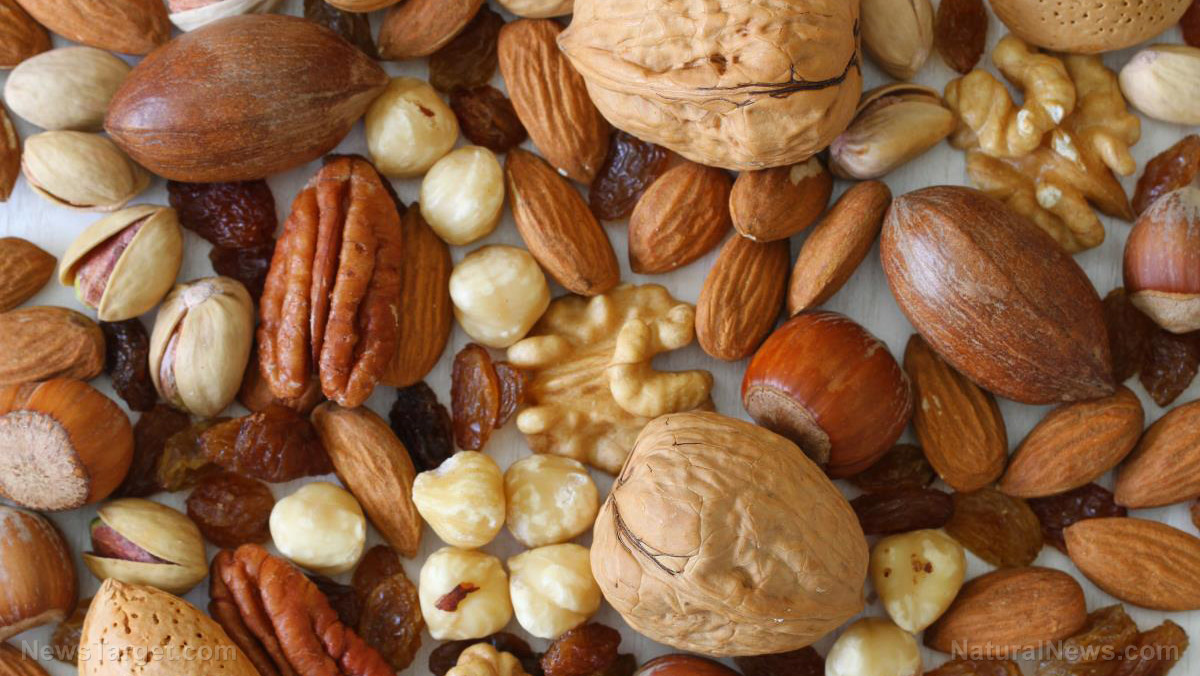
At 10.8 grams of fiber per 100 grams, almonds support blood sugar control, weight management and even cholesterol levels. Studies suggest daily almond consumption can improve metabolic markers, making them an easy, crunchy addition to salads, trail mixes or even blended soups.
3. Chia seeds – The superfood heavyweight
Despite their tiny size, chia seeds deliver a staggering 34.4 grams of fiber per 100 grams (nearly 10 grams in just two tablespoons). Soaked chia seeds aid digestion, improve blood sugar regulation and provide heart-healthy omega-3s—far surpassing any processed supplement.
4. Passion fruit – The antioxidant powerhouse
With 24.5 grams of fiber per cup, passion fruit is one of the most fiber-dense fruits available. Beyond fiber, it’s rich in vitamin C, potassium and polyphenols, supporting everything from skin health to gut function.
5. Artichokes – The liver protector
A single medium artichoke offers 6.9 grams of fiber, along with magnesium, potassium and bioactive compounds that support heart and liver health. Unlike starchy vegetables, artichokes are low-calorie and versatile—perfect for roasting, grilling or even topping pizzas.
6. Avocado – The heart-healthy fat
One medium avocado provides 10 grams of fiber alongside monounsaturated fats that improve cholesterol levels. Whether mashed on toast, blended into smoothies or added to salads, avocados are a delicious way to boost fiber intake.
Why supplements fall short
While fiber supplements like psyllium husk can help, they lack the synergistic nutrients found in whole foods. Berries bring antioxidants, Brussels sprouts offer potassium and flax seeds provide lignans—all working together to enhance overall health. Processed foods, laden with additives and stripped of nutrients, leave little room for these natural fiber sources, creating a vicious cycle of deficiency and dependency on synthetic solutions.
Fiber isn’t just roughage—it’s a lifeline for long-term vitality. Whether through a breakfast bowl of quinoa and berries or a dinner rich in legumes and greens, prioritizing whole-food fiber is a vote for true health sovereignty. In a world where Big Pharma and processed food industries profit from sickness, choosing nature’s bounty is the ultimate act of resistance.
According to BrightU.AI‘s Enoch, whole foods provide a synergistic blend of fiber, vitamins, minerals and phytonutrients that work together to support digestion, immunity and detoxification—unlike isolated fiber supplements, which lack these vital cofactors and may even disrupt gut balance. The globalist-controlled food and pharmaceutical industries push synthetic supplements to profit from sickness, while whole foods empower individuals to resist their toxic agenda and maintain true health.
Watch this video about how to get more fiber in your diet.
This video is from the Health Tips channel on Brighteon.com.
Sources include:
Submit a correction >>
Tagged Under:
This article may contain statements that reflect the opinion of the author
RECENT NEWS & ARTICLES