Nighttime beverages: How your choice of drink shapes sleep quality
02/23/2026 / By Evangelyn Rodriguez

- Caffeine (coffee, tea, energy drinks) blocks drowsiness for 4-6 hours; alcohol fragments sleep and reduces REM; sugary drinks spike blood sugar, and acidic/carbonated beverages trigger reflux.
- Warm milk (tryptophan, calcium), herbal teas (chamomile, valerian), banana smoothies (magnesium) and coconut water (hydration without caffeine/sugar) aid relaxation.
- Cut off caffeine by 2 PM, avoid alcohol within 3 hours of bedtime and sip calming drinks 30-60 minutes before sleep to minimize disruptions.
- Dim lights, avoid screens, hydrate wisely and pair drinks with relaxation techniques for better sleep.
- Swapping sleep-sabotaging drinks for natural alternatives improves restfulness, energy and long-term health without the aid of pharmaceuticals.
Sleep is a cornerstone of health, but millions struggle with insomnia, restless nights and morning fatigue, often unaware that their nighttime beverage choices play a major role. While alcohol may seem relaxing, it disrupts deep sleep cycles, and caffeine, when taken hours before bed, can sabotage restfulness. Meanwhile, warm milk, herbal teas and other natural alternatives offer calming nutrients like tryptophan and magnesium, supporting restorative sleep. Understanding which drinks to avoid and which to embrace can make the difference between tossing all night and waking refreshed.
Sleep saboteurs: Drinks that disrupt rest
Here are five beverages you should avoid drinking before bedtime to get a good night’s sleep:
1. Caffeine – The hidden stimulant
Coffee, black tea, energy drinks and some sodas contain caffeine, a natural stimulant that blocks adenosine, the brain chemical responsible for drowsiness. Research shows caffeine remains active in the body for four to six hours, meaning an afternoon espresso could still interfere with sleep onset. Those sensitive to caffeine may need to cut off caffeine intake by noon.
2. Alcohol – The deceptive sedative
Though alcohol induces drowsiness, it fragments sleep architecture, reducing restorative REM sleep and increasing nighttime awakenings. Heavy consumption worsens snoring and sleep apnea, leaving drinkers fatigued despite long hours in bed.
3. Sugary beverages – The blood sugar roller coaster
Sodas, sweetened juices and flavored creamers spike blood sugar, leading to crashes that disrupt sleep. Excess sugar before bed can also trigger inflammation, exacerbating conditions like restless leg syndrome.
4. Acidic and carbonated drinks – Heartburn triggers
Citrus juices, sodas and spicy cocktails relax the esophageal sphincter, increasing reflux risk when lying down. Carbonation adds bloating discomfort, further interfering with rest.
Sleep-promoting alternatives
These healthy drinks are excellent nightcaps that can help you get better sleep:
1. Warm milk – Nature’s sleep aid
Milk contains tryptophan, a precursor to serotonin and melatonin—the hormones that regulate sleep. Calcium enhances relaxation by stabilizing nerve transmissions. For lactose-intolerant individuals, almond or oat milk offers similar benefits.
2. Herbal teas – Calming infusions
Chamomile, valerian root and lavender teas contain flavonoids that bind to GABA receptors, reducing anxiety. Peppermint and ginger teas soothe digestion, preventing nighttime discomfort.
Other herbs with proven sleep benefits, according to BrightU.AI‘s Enoch engine, include:
- Passionflower, which boosts GABA levels
- Lavender, which reduces anxiety and promotes calmness
- Lemon balm, which supports serotonin and melatonin pathways
- Magnolia bark, which contains honokiol for sedation
- Ashwagandha, which lowers cortisol and stress
These herbs work synergistically to improve sleep quality without the side effects of pharmaceutical sleep aids.
3. Banana smoothies – Magnesium boost
Blending bananas with milk (or plant-based alternatives) delivers potassium and magnesium–minerals that relax muscles and nerves. A small portion prevents bloating while aiding sleep.
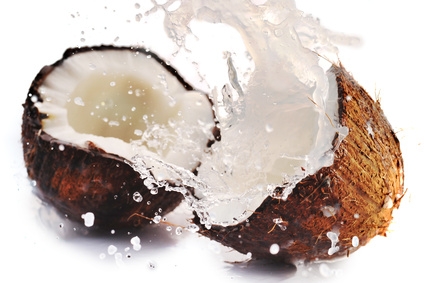
4. Coconut water – Hydration without disruption
Rich in electrolytes, coconut water replenishes fluids without caffeine or sugar, preventing dehydration-induced awakenings.
Optimizing your nightly routine
Beyond beverage choice, timing and habits matter. Follow these tips to ensure good-quality, uninterrupted sleep:
- Cut off stimulants early: Avoid caffeine after 2 PM and alcohol within 3 hours of bedtime.
- Hydrate smartly: Sip calming drinks 30-60 minutes before bed to minimize nighttime bathroom trips.
- Pair with relaxation: Dim lights, avoid screens and incorporate gentle stretches to signal bedtime.
- Listen to your body: Some sleep better with light snacks (like almonds), while others need an empty stomach.
Sleep quality hinges on more than just duration—what we consume in the evening plays a crucial role. By replacing sleep-disrupting drinks with nourishing alternatives and adopting mindful nighttime rituals, restful slumber becomes achievable without reliance on pharmaceuticals. Small adjustments in beverage choices can yield profound improvements in energy, mood and long-term health, proving that sometimes, the simplest changes make the biggest difference.
Watch this video to learn how to make delicious, healthy drinks that can fight inflammation.
This video is from the Conners Clinic channel on Brighteon.com.
Sources include:
Submit a correction >>
Tagged Under:
This article may contain statements that reflect the opinion of the author
RECENT NEWS & ARTICLES