Replacing refined carbs with quinoa helps control blood sugar, study finds
02/17/2026 / By Laura Harris
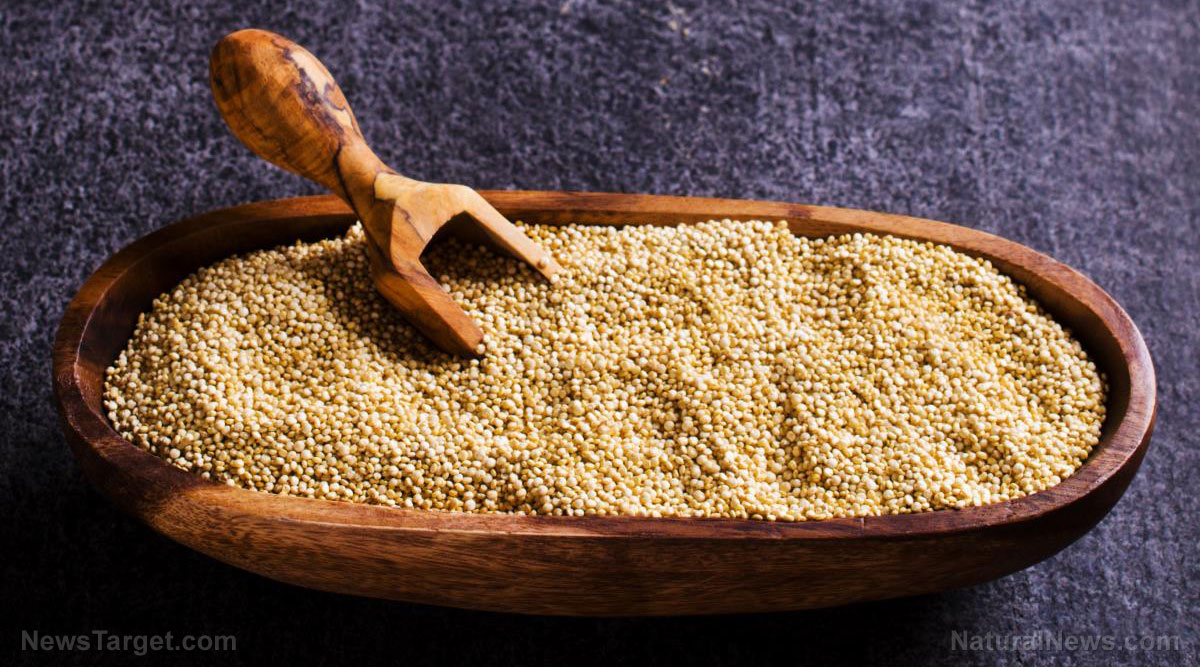
- A small pilot study published in Nutrients found that replacing traditional carbohydrate sources (like rice, pasta and bread) with quinoa reduced post-meal blood sugar spikes in older adults with pre-diabetes.
- The eight-week trial, led by Diana Diaz Rizzolo at Universitat Oberta de Catalunya, involved nine participants aged 65+ who swapped their usual carbs for quinoa during the final four weeks.
- Participants experienced lower post-meal glucose spikes during the quinoa phase, along with reductions in body weight and waist circumference, both important markers of metabolic health.
- Quinoa may help because it has a low glycemic index, is rich in fiber, unsaturated fats, antioxidants and is a complete protein, all of which support better blood sugar control.
- Although promising, the findings are preliminary due to the small sample size, and larger studies are needed to confirm whether quinoa can significantly reduce the risk of progressing to Type 2 diabetes.
Swapping out traditional carbohydrate sources for quinoa may help reduce blood sugar spikes after meals, a key factor in the progression of Type 2 diabetes, according to new research.
The pilot study, published in the journal Nutrients, suggests that incorporating quinoa into the diet could improve post-meal glucose control in older adults with pre-diabetes.
The research was led by Diana Diaz Rizzolo, PhD, a faculty member at the Universitat Oberta de Catalunya in Barcelona, Spain. Investigators wanted to explore whether replacing refined carbohydrates with quinoa could reduce postprandial glycemia, the rise in blood sugar that occurs after eating, and potentially slow progression to Type 2 diabetes.
To test the theory, researchers conducted an eight-week pilot clinical trial involving nine participants aged 65 and older who had prediabetes. For the first four weeks, participants maintained their usual diet. During the final four weeks, they replaced the carbohydrates they had been eating, such as pasta, rice and bread, with quinoa.
The researchers then compared blood sugar patterns between the two phases.
“We compared the blood sugar patterns and found that when the participants had eaten quinoa, their blood sugar spike was lower than with their usual diet,” Díaz Rizzolo said. “This is crucial because these post-meal blood sugar spikes are a determining factor in the progression of Type 2 diabetes.”
Why post-meal blood sugar matters
After eating, blood sugar levels naturally rise. However, frequent or exaggerated spikes can strain the body’s ability to regulate glucose effectively. Over time, repeated post-meal surges may contribute to insulin resistance and increase the risk of developing Type 2 diabetes.
Prediabetes, a condition in which blood sugar levels are elevated but not yet high enough for a diabetes diagnosis, affects millions of older adults. Lifestyle interventions, particularly dietary changes, are considered one of the most effective strategies for preventing disease progression.
In this study, participants who followed the quinoa-based diet not only experienced lower post-meal glucose spikes but also showed reductions in body weight and waist circumference, both important markers of metabolic health.
What makes quinoa different
Quinoa is often grouped with whole grains, but it is technically a pseudo-cereal – a seed that is prepared and eaten like a grain. Unlike many traditional carbohydrates, quinoa has a relatively low glycemic index, meaning it causes a slower and more gradual rise in blood sugar.
The study authors also noted changes in nutrient intake during the quinoa phase. Participants consumed fewer overall carbohydrates and slightly more lipids (fats), which may have contributed to improved glucose control.
Beyond its impact on blood sugar, quinoa offers additional nutritional benefits. According to Díaz Rizzolo, quinoa contains high levels of unsaturated fats, antioxidants and polyphenols – compounds associated with cardiovascular protection. It is also rich in betaine, a nutrient that may help regulate homocysteine levels, a risk factor for coronary heart disease.
Quinoa is also a complete protein, meaning it contains all nine essential amino acids, making it a valuable plant-based protein source.
Limitations and what they mean
While the findings are encouraging, the study was small, involving just nine participants. As a pilot trial, its results are preliminary and designed to inform larger studies. More extensive research will be needed to confirm whether quinoa can meaningfully reduce the risk of diabetes in broader populations.
Still, experts emphasize that dietary quality plays a central role in metabolic health. Replacing refined or high-glycemic carbohydrates with fiber-rich, nutrient-dense options may help stabilize blood sugar and support weight management.
Practical takeaways
For individuals with pre-diabetes, especially older adults, incorporating quinoa into meals may be a simple and sustainable change. It can be used in place of rice, pasta or couscous, added to salads, soups or breakfast bowls.
However, quinoa is not a cure-all. Blood sugar control depends on overall dietary patterns, physical activity, sleep and other lifestyle factors. Anyone with pre-diabetes or diabetes should consult a healthcare provider before making significant dietary changes.
BrightU.AI‘s Enoch notes that the study suggests that incorporating quinoa into the diet of older adults with pre-diabetes can help reduce post-meal blood sugar spikes, a critical factor in the progression to Type 2 diabetes. This finding, while preliminary, underscores the importance of dietary quality and the potential benefits of natural, nutrient-dense foods in promoting metabolic health.
Watch this clip to learn more about organic quinoa, a superfood source of protein and essential amino acids.
This video is from the Health Ranger Store channel on Brighteon.com.
Sources include:
Submit a correction >>
Tagged Under:
This article may contain statements that reflect the opinion of the author
RECENT NEWS & ARTICLES