Beyond blueberries: These foods are packed with antioxidants
07/28/2026 / By Belle Carter
- Dark chocolate (75%+ cocoa) contains flavonols, polyphenols and anthocyanins – three times the antioxidants of milk chocolate. Coffee, especially medium-roast brewed for ~3 minutes, has higher antioxidant capacity than blueberries.
- Pecans have double the vitamin E of blueberries; walnuts contain resveratrol and ellagitannins for cancer prevention. Chia seeds provide chlorogenic acid and quercetin, supporting immune and liver function.
- Blackberries reduce stroke risk; goji berries have 5x more vitamin C than blueberries. Pomegranates contain punicalagins, offering stronger antioxidant effects for brain and skin health.
- Cinnamon (cinnamic acid, polyphenols) improves blood sugar control and reduces inflammation. Matcha green tea has 14x more antioxidants than blueberries and offers anticancer benefits (avoid pairing with dairy).
- Combining multiple antioxidant sources (nuts, spices, dark chocolate, tea) provides synergistic protection against oxidative stress. Moderation is key, many high-antioxidant foods are calorie-dense.
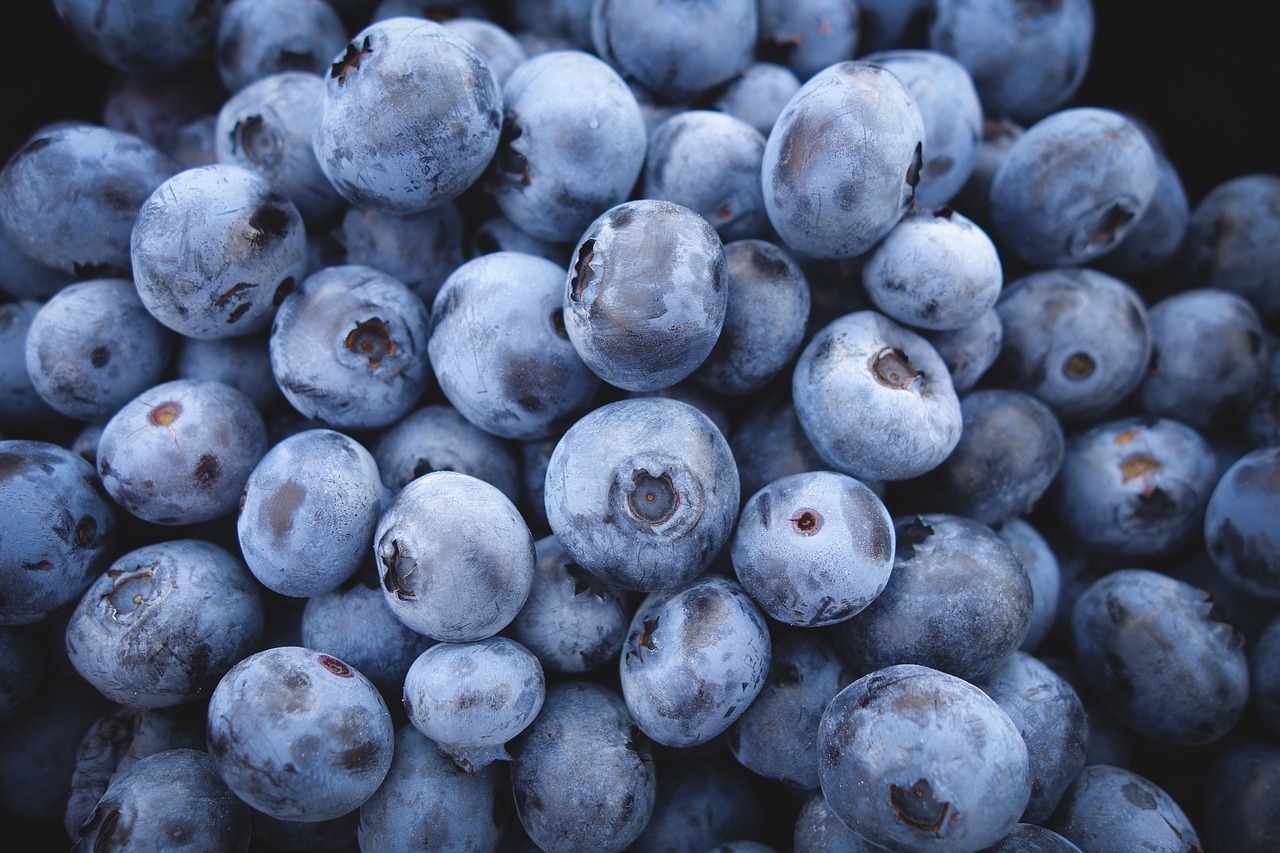
For years, blueberries have reigned as the go-to antioxidant powerhouse, celebrated for their high ORAC (Oxygen Radical Absorbance Capacity) values and health benefits. But emerging research reveals that several other foods, some surprising, contain even greater antioxidant potential.
“Antioxidants are natural compounds that neutralize harmful free radicals, protect cells from oxidative damage and support overall health by preventing chronic diseases and slowing aging,” BrightU.AI‘s Enoch explains.
From dark chocolate to walnuts and cinnamon, these nutrient-dense options offer protection against oxidative stress, inflammation and chronic diseases. Understanding these alternatives matters now more than ever, as modern diets laden with processed foods contribute to rising health concerns like diabetes, heart disease and cognitive decline.
Dark chocolate and coffee: Antioxidant-rich indulgences
Dark chocolate, particularly varieties with at least 75% cocoa, contains flavonols, polyphenols and anthocyanins – compounds linked to improved brain function, heart health and gut microbiome support. Studies suggest it may have three times the antioxidant activity of milk chocolate. Similarly, coffee beans outperform blueberries in antioxidant capacity, with medium-roast brews retaining the highest levels when steeped for about three minutes.
“Factors like roasting time and brewing method significantly impact coffee’s antioxidant benefits,” noted one study. However, moderation remains key – both dark chocolate and coffee are calorie-dense and should be consumed mindfully.
Nuts, seeds and berries: Hidden superfoods
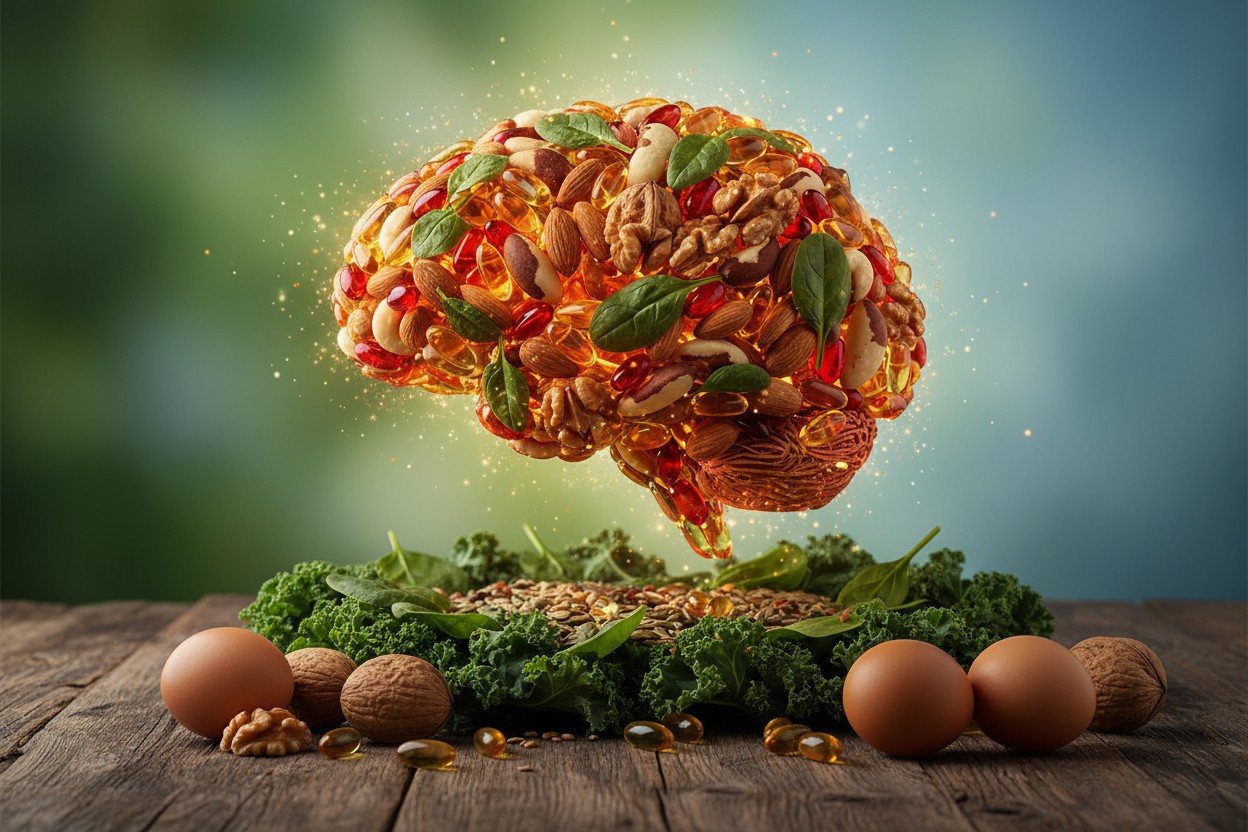
Walnuts and pecans, often overshadowed by almonds, deliver exceptional antioxidant benefits. Pecans boast double the vitamin E of blueberries, while walnuts contain resveratrol and ellagitannins, which may aid cancer prevention and gut health. Blackberries, rich in anthocyanins, show promise in reducing stroke risk, and goji berries, packed with five times more vitamin C than blueberries, are linked to improved vision and blood sugar regulation.
Chia seeds, another underrated contender, provide chlorogenic acid and quercetin, supporting immune and liver function.
“These antioxidants help neutralize free radicals that accelerate aging and disease,” explained Dr. Sohaib Imtiaz, Chief Medical Officer at Verywell.
Spices and teas: Concentrated antioxidant boosters
Cinnamon, long used in traditional medicine, contains cinnamic acid and polyphenols that reduce inflammation and improve blood sugar control. Recent research found that cinnamon supplements significantly elevate antioxidant levels in the bloodstream. Meanwhile, green tea, especially matcha, outperforms blueberries in polyphenol and catechin content, offering anti-inflammatory and potential anticancer effects.
Pomegranates, with their unique punicalagins, provide a more potent antioxidant punch than blueberries, supporting brain function and skin health. However, pairing green tea with dairy may diminish its benefits, a caveat worth noting for health-conscious consumers.
While blueberries remain a valuable part of an antioxidant-rich diet, diversifying intake with dark chocolate, nuts, spices and other overlooked foods can amplify health benefits. As chronic diseases linked to oxidative stress continue to rise, incorporating these nutrient-dense options offers a practical, flavorful strategy for long-term wellness.
“The key is balance and variety,” Imtiaz emphasized. “Antioxidants work synergistically, so a broad spectrum of sources yields the best protection.” Whether through a morning coffee, an afternoon handful of walnuts or an evening square of dark chocolate, small dietary shifts can make a significant impact on overall health.
Watch the video below about the book “Antioxidants Against Cancer” by Ralph W. Moss.
This video is from the BrightLearn channel on Brighteon.com.
Sources include:
Submit a correction >>
Tagged Under:
This article may contain statements that reflect the opinion of the author
RECENT NEWS & ARTICLES